In 2015, Morocco's action sports retail market was locked. A single incumbent held the doors. The challenger brands I was building had the product and the audience. What they did not have was a way in.
By the end of year one, revenue was up 483%. Here is how, and what it takes to enter a market that is already closed.
A market with no door in
The brands had everything that usually wins. Product people wanted. An audience that already knew them. None of it mattered, because the shelf space was taken and the incumbent had no reason to share it.
This is the trap most market entries fall into. They assume the problem is commercial. Better pricing, a stronger pitch to retailers. In a locked market, that fight is lost before it starts.
The blockade was structural
The incumbent did not win on product. It won on position. It owned the retail layer, and every challenger walked straight into it.
So I stopped treating retail as the way in. The goal became simple. Make the brands institutionally unavoidable. Put them where the sport lived, not where the incumbent had built its wall.
Own the infrastructure, not the shelf
I secured an exclusive partnership with the Royal Moroccan Surfing Federation and with the major surf schools. That embedded the brands into the official infrastructure of the sport. Not as advertisers. As part of the structure itself.
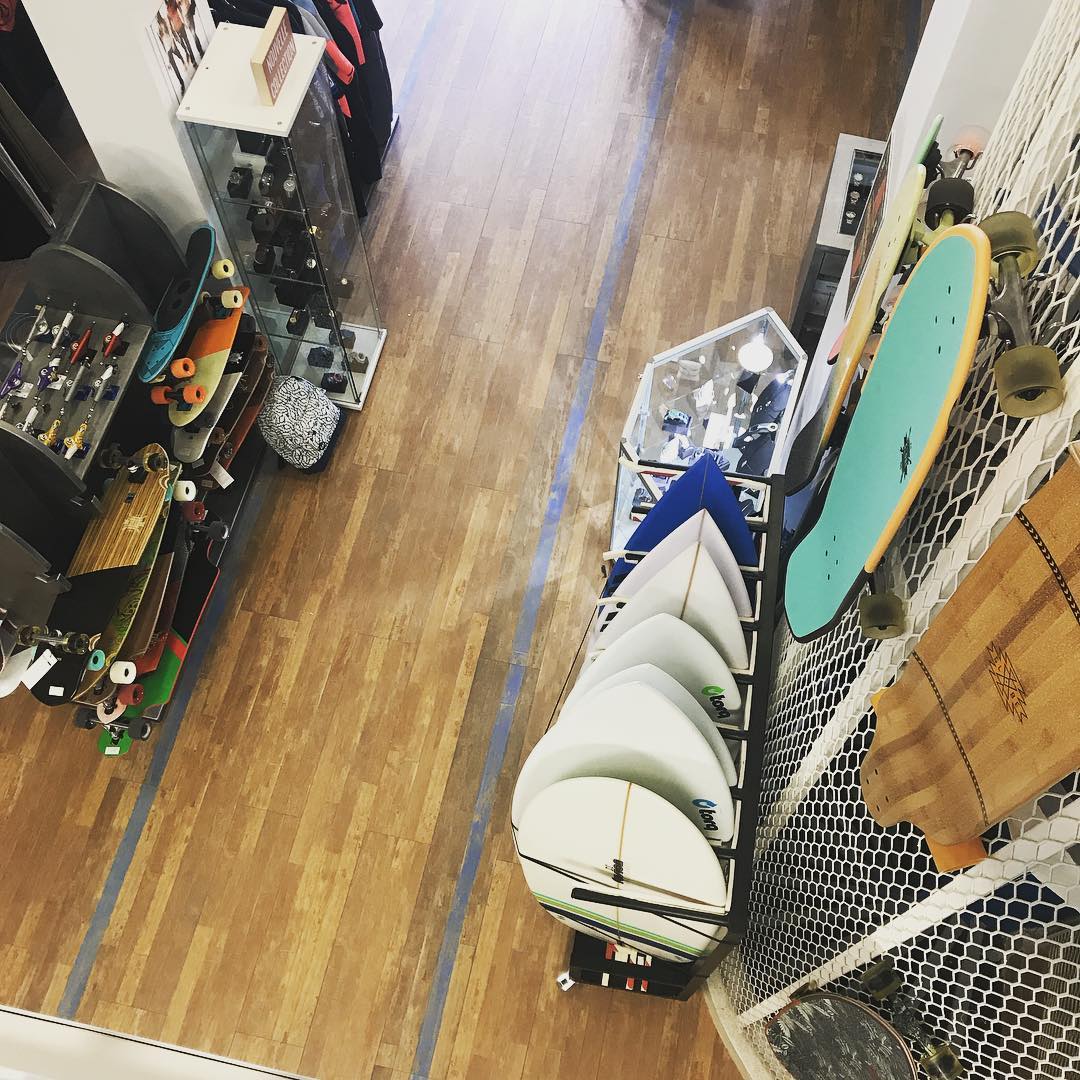
Then I built a grassroots presence through the schools and through tactical pop-up retail. I occupied the ground the incumbent ignored. The beaches and the clubs, where the culture was set before anyone walked into a store.
The incumbent still held the shelf. It no longer held the sport.
483% in year one
Revenue grew 483% in the first year. The monopoly was not beaten head on. It was diluted. Once the brands owned the cultural ground, the shelf stopped being the only door, and the incumbent's position stopped being a wall.
That is the difference between advising on a market entry and running one. The plan was not the asset. The federation deal and the school network were built in market, by the same person who designed them.
How I run a market entry
Days 1 to 30: in market. The real distribution map, the real gatekeepers, the real reason the door is closed. No assumptions carried in.
Days 30 to 60: find the structural opening. Most locked markets have one. It is rarely the front door.
Days 60 to 90: build and occupy. Move on the opening before the incumbent registers it as a threat.
Language is leverage
I operate in five languages. In Morocco that means Arabic and French in the same conversation, often the same sentence. A federation deal does not close over email. It closes in the room, in the language of the person across the table. You catch the objection before it hardens.
What most entries get wrong
The boardroom has a plan. The field has a different reality. A locked market does not yield to a better deck. It yields to someone who finds the opening the incumbent left uncovered, and moves into it fast.
The ones that lose keep fighting for the shelf.
If you are entering Morocco
I take a small number of operating mandates a year. If you are landing a brand in Morocco or the Maghreb and the market looks closed, that is usually where I work best.
More about Maroc Rider case study here.