From Barren Soil to 50 Tons: Building an Organic Farming Venture in Morocco
The Mzab region in central Morocco was close to economic collapse. Decades of cereal farming had tied an entire territory to a crop that drought was killing. And the drought was not passing.
The obvious read was that the land had failed. That read was wrong. Two years after we rebuilt the operation from the soil up, it produced 50 tons of organic harvest at a 72% return. Here is how, and what it says about reading a failing system.
The land was not the problem. The model was.
When a region built on agriculture starts to die, everyone looks at the soil. The real questions were never asked. No one had mapped what the microclimate could support. No one had checked whether the chain of local intermediaries still earned its place.
Cereal was a habit, not a decision. The territory kept planting what it had always planted, against a climate that no longer allowed it. The failure sat upstream of the field.
Read the ground before you plant
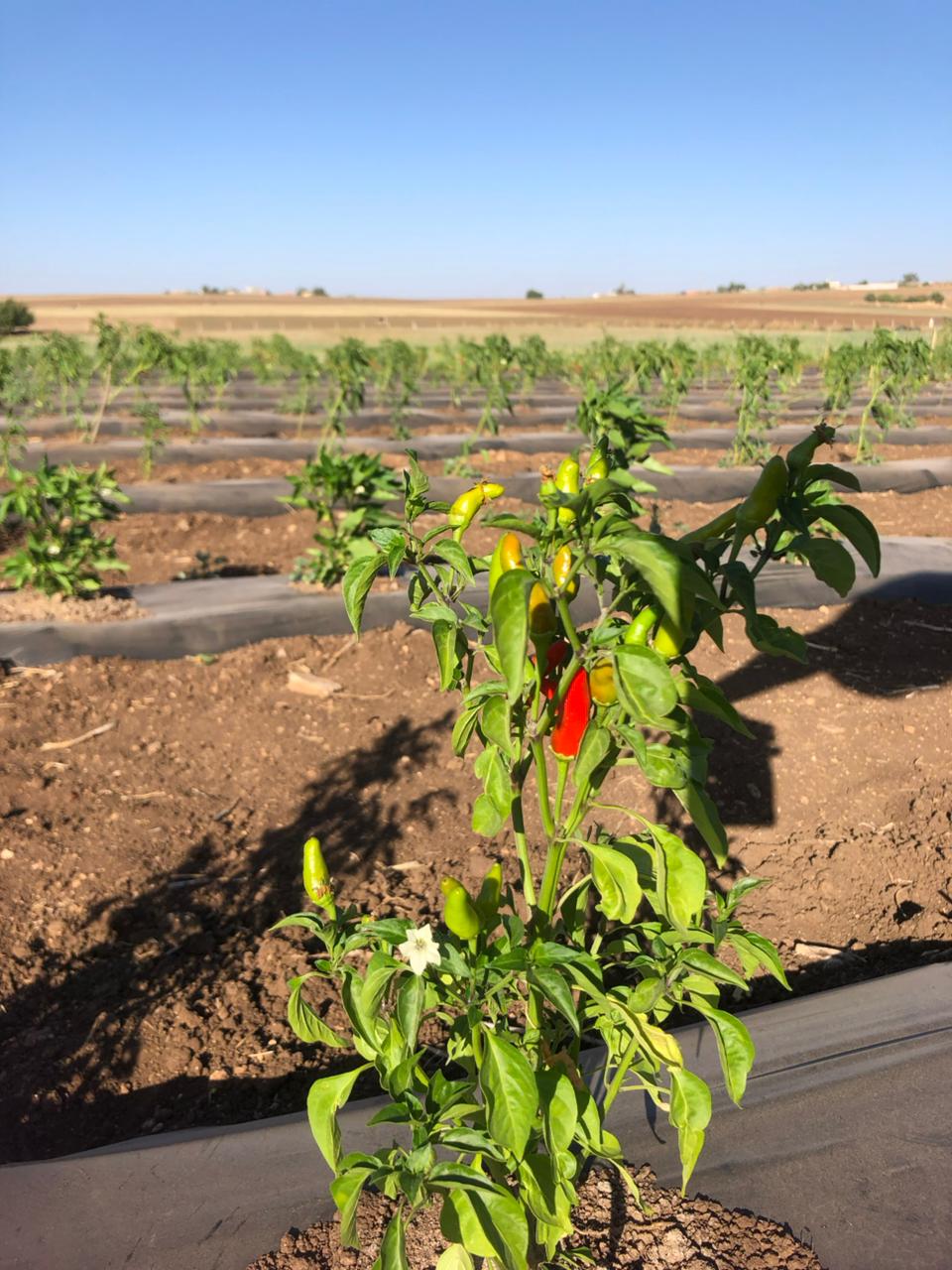
We started with the microclimate, not the crop. A granular analysis of what the soil and the climate could carry pointed to crops that were high-yield and drought-resistant. Hot chili peppers came out as the answer.
That sequence matters. Most projects pick the crop first and force the land to cooperate. We let the ground decide, then built the venture around what it told us.
Build the whole line, not just the farm
A harvest with no route to market is a hobby. Across Europe, most chili was arriving from Mexico and the United States, weeks old and priced for the distance it had traveled. That gap was the opening.
So we built past the farm. A vertically integrated operation, and a direct export pipeline to global buyers, with the intermediaries cut out. The value stayed with the people who grew the crop instead of leaking into a chain that added little.
What changed
50 tons of organic harvest in year two. A 72% return on investment. A region that had been economically stranded now ran a self-sustaining commercial engine, built from nothing and tied to real global demand. The move into Europe, from 5 tons to 50, was covered at the time by Le Matin.
The peppers were never the point. The point was a working model where there had been a dying one.
The lesson for anyone building
When a venture or a region is failing, the instinct is to blame the resource itself, the soil or the team. Most of the time that resource is fine and the model around it is broken. The work is to find that out before you spend a season proving it the hard way.
That is venture building from the ground. Not a plan handed down from a distance. A model rebuilt in contact with what is actually there.
Also in the press: HortiDaily and Hortimedia.
If you are building something hard
I take a small number of venture building mandates a year, in places where the playbook does not exist. If you are sitting on a resource that looks like it has failed, it may be the model that needs rebuilding, not the resource. Let's talk.